When a Longer Dryer Vent Run Becomes a Rerouting Problem
A twisted vent path is a design problem that cleaning alone will not fix.
August 30, 2026 · 3 min read
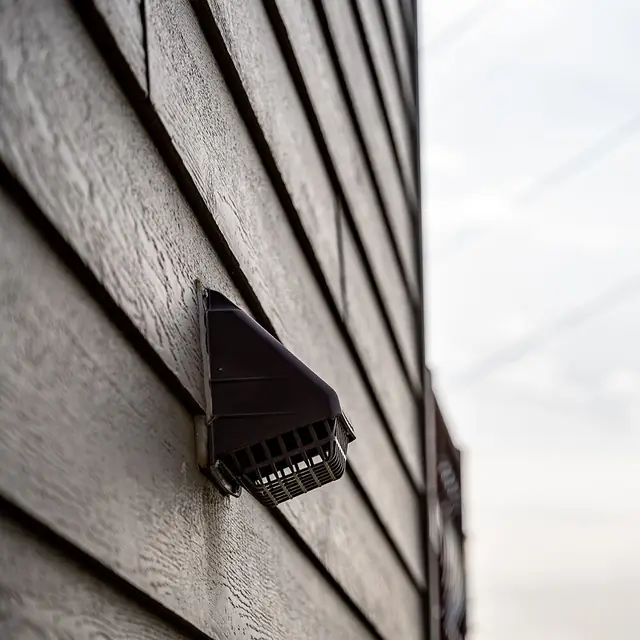
Cleaning solves most dryer vent problems, but not all of them. Every so often we get a call from a homeowner who had their vent cleaned recently, sometimes by us, and the dryer still runs long or the laundry room still feels humid. In those cases the issue usually is not lint. It is the shape of the vent path itself.
How to tell a cleaning problem from a design problem
If a cleaning noticeably improves dry times for a while and then the problem slowly returns, that points to normal lint buildup on a repeat schedule. If a fresh cleaning barely changes anything, or the vent gets dirty again within just a few months, the path itself is likely fighting the dryer harder than it should, and a cleaning is only ever a short term fix.
Common layouts that cause this in Eastern PA homes
- A dryer relocated to a different room during a renovation without moving the vent termination to match
- A vent line that runs through the attic with several 90 degree turns before reaching the roof or gable
- A vent that terminates inside an attic or crawlspace instead of actually exiting the home
- A laundry room positioned far from any exterior wall, forcing a long horizontal run
Why length and turns matter more than most people expect
Every bend in a vent line adds resistance the same way a kink in a garden hose slows water flow, and a long straight run adds resistance simply by distance. Stack several bends and extra length together and even a clean, undamaged duct can restrict airflow enough to keep a dryer from ever fully venting a load. This is a design limitation, not a maintenance issue, which is why cleaning alone will not solve it.
What rerouting actually looks like
Rerouting means shortening the path between the dryer and the outside, reducing the number of turns where possible, and making sure the line terminates outside the home rather than in an attic or crawlspace. The goal is a run the dryer can actually push air through without straining, using rigid or semi-rigid duct sized correctly for the distance involved.
The moisture problem hiding behind a long run
A restricted vent does not just mean longer dry times. The moisture that cannot escape through the vent line often finds its way into the surrounding wall cavity or attic space instead, which is where mold and mildew problems quietly start. Rerouting a problem run addresses both issues at once: it gets the dryer working properly again and removes a slow moisture source from inside the wall.
What we look at before recommending a reroute
We do not recommend rerouting a vent just because a run is long. We walk the full path from the dryer to the exterior termination, count the bends, check the material the duct is made of, and take airflow readings so the recommendation is based on how the system actually performs, not just how it looks on paper. In some cases a long run with only one or two gentle bends still performs fine, while a shorter run with several tight turns can be more restrictive than it appears.
Planning the work around your home
Rerouting sometimes means opening a section of wall, ceiling, or attic access to reach the duct, so we walk through what that looks like before scheduling the job, including what areas of the home will need access and roughly how long the work will take. The goal is a finished run that terminates cleanly outside, is sized and shaped for the actual distance involved, and holds up to regular cleaning without falling back into the same restriction within a year.
What happens if a bad layout goes unaddressed
Homeowners sometimes live with a poorly routed vent for years, treating the long dry times as normal and scheduling a cleaning whenever the problem gets bad enough. The cleanings help temporarily, but the underlying layout keeps forcing lint to build up faster than it should, and the trapped moisture keeps working on the surrounding wall or attic space the entire time. Addressing the layout once, rather than repeating a short-term fix indefinitely, tends to be the more practical path once a home has been through a few cycles of this.
Dryer Vent Squad of Eastern Pennsylvania, owned and operated by Mike Chapman, evaluates vent paths across Mohnton, Reading, Lancaster, and Eastern PA before recommending a reroute. Call (484) 252-1845 or email easternpa@dryerventsquad.com, Monday through Friday from 8am to 5pm.
Dryer Vent Squad of Eastern Pennsylvania - (484) 252-1845
Call (484) 252-1845